
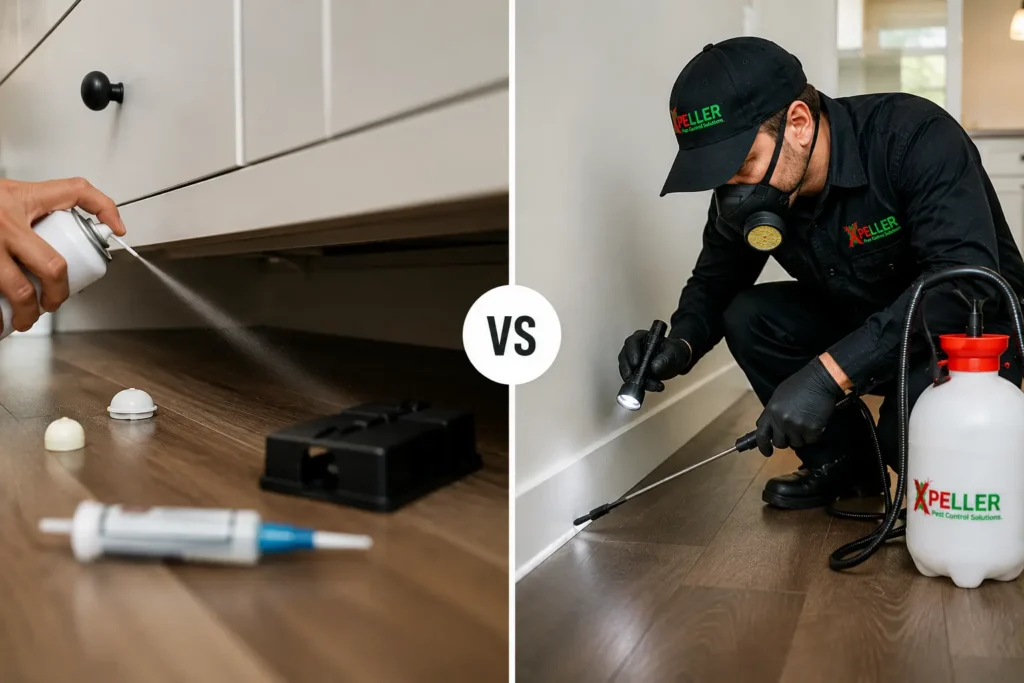
Have you noticed ants marching across your kitchen counter? Maybe you’ve heard scratching sounds behind a wall or spotted a spider in the basement. If so, you’re probably searching for DIY pest control Calgary solutions before considering professional help.
That’s a natural reaction.
Most homeowners want to solve pest problems quickly and affordably. A trip to the local hardware store seems easier than scheduling a pest inspection. Sometimes DIY methods work well. Other times, they only provide temporary relief while the real problem continues to grow.
The truth is that not every pest issue requires professional treatment. However, knowing the difference between a minor pest problem and a serious infestation can save you time, money, and frustration.
In this guide, we’ll explore what DIY pest control methods actually work, common mistakes homeowners make, and when it’s time to call the professionals.
Why DIY Pest Control Is Popular in Calgary
Calgary homeowners deal with a variety of pests throughout the year.
In summer, wasps, ants, flies, and mosquitoes become active. During winter, rodents often look for warm places to shelter. Seasonal weather changes can also encourage pests to move indoors.
Because of this, many people try DIY pest control before seeking professional assistance.
Common reasons include:
- Saving money
- Quick access to products
- Convenience
- Minor pest concerns
- Desire to solve problems independently
While these reasons make sense, success depends on identifying the pest correctly and choosing the right treatment.
Common Pests Found in Calgary Homes
Understanding the pest you’re dealing with is the first step toward effective control.
Ants
Ants are one of the most common household pests in Calgary.
They often enter homes searching for food and water. Crumbs, sugary spills, and pet food can attract entire colonies.
Signs of ant activity include:
- Visible ant trails
- Small piles of dirt near entry points
- Increased activity around kitchens
- Ants near sinks and dishwashers
Small ant problems can often be managed with bait stations and proper sanitation.
Mice
Mice become particularly active during Calgary’s colder months.
As temperatures drop, rodents search for warmth, food, and shelter inside homes.
Common signs include:
- Droppings
- Chewed food packaging
- Scratching sounds in walls
- Grease marks along baseboards
Many homeowners first discover rodents after hearing noises at night.
Spiders
Most spiders found in Calgary homes are harmless.
However, large numbers of spiders may indicate another insect problem because spiders feed on insects.
You’ll often find spiders in:
- Basements
- Garages
- Storage areas
- Window corners
Reducing insect populations often reduces spider activity as well.
Wasps
Wasps are a major concern during spring and summer.
Small nests can develop into large colonies surprisingly quickly.
Wasps commonly nest:
- Under decks
- Roof overhangs
- Sheds
- Garages
- Wall cavities
Unlike ants or spiders, wasps can present safety risks if disturbed.
Silverfish and Carpet Beetles
These pests often go unnoticed until damage appears.
Silverfish thrive in humid environments, while carpet beetles feed on natural fibers found in carpets, clothing, and furniture.
Homeowners frequently discover them in:
- Basements
- Closets
- Bathrooms
- Storage areas
DIY Pest Control Methods That Actually Work
Not all DIY pest control strategies are ineffective.
In fact, some methods can significantly reduce pest activity when used properly.
Seal Entry Points
One of the most effective ways to prevent pest problems is to stop pests from entering in the first place.
Inspect your home for:
- Foundation cracks
- Gaps around pipes
- Damaged door seals
- Torn window screens
- Openings around utility lines
A mouse can squeeze through surprisingly small gaps.
Sealing these entry points helps keep pests outside where they belong.
Improve Household Sanitation
Pests are constantly searching for food and water.
Simple cleaning habits can make your home far less attractive.
Focus on:
- Cleaning spills immediately
- Storing food in sealed containers
- Emptying garbage regularly
- Cleaning under appliances
- Removing standing water
Many pest issues begin because food sources are readily available.
Reduce Clutter
Clutter provides ideal hiding places.
Boxes, paper products, and unused storage items create shelter for pests.
Pay special attention to:
- Basements
- Garages
- Utility rooms
- Storage closets
The less clutter available, the fewer places pests have to hide.
Use Traps Properly
Traps can be effective for monitoring and reducing certain pest populations.
For rodents, placement is critical.
Many homeowners place traps in open areas where mice rarely travel.
Instead, traps should be positioned along walls and known travel routes.
DIY Pest Control Mistakes Homeowners Often Make
Here’s the thing.
Many DIY efforts fail because they focus only on visible pests.
Relying Only on Sprays
Store-bought sprays may kill insects on contact.
However, they rarely address:
- Hidden nests
- Breeding areas
- Entry points
- Underlying causes
As a result, pests often return.
Ignoring Moisture Problems
Many pests are attracted to moisture.
Leaky pipes, damp basements, and poor ventilation can create ideal conditions.
Without addressing moisture issues, pest activity may continue.
Using the Wrong Treatment
Imagine finding a few insects and assuming they’re ants.
You purchase ant bait, only to discover weeks later that the problem was actually cockroaches.
Proper identification is essential.
Treating the wrong pest wastes time and money.
Waiting Too Long
Small pest problems can grow quickly.
A few mice can become a larger infestation.
A small wasp nest can expand into hundreds of wasps.
Delaying action often increases treatment costs later.
Real-Life Example
Imagine you wake up one morning and notice a few ant trails near the kitchen sink.
You buy an ant spray and eliminate the visible ants.
Problem solved?
Not necessarily.
A week later, the ants return.
The reason is simple.
The spray killed worker ants but didn’t affect the colony hidden outside or inside the walls.
This situation happens frequently with DIY pest control.
Without identifying the source, pests often return.
When DIY Pest Control Is Enough
DIY methods can be effective for:
- Occasional ants
- Minor spider activity
- Preventive maintenance
- Small fly problems
- Early detection
Homeowners who regularly inspect their property and address issues quickly often prevent larger infestations.
When You Should Call a Professional
Some situations require professional expertise.
You should consider professional pest control services if:
Pests Keep Returning
Recurring pest problems often indicate hidden nesting areas or unresolved entry points.
You Find Large Numbers of Pests
Seeing multiple rodents, cockroaches, or wasps usually signals a larger infestation.
Structural Areas Are Involved
Pests inside walls, attics, crawl spaces, or ceilings are difficult to address without specialized equipment.
Health and Safety Are Concerns
Some pests can spread bacteria, contaminate food, or trigger allergic reactions.
Wasps can also pose risks to individuals sensitive to stings.
Property Damage Is Increasing
Rodents, carpet beetles, and other pests can damage insulation, wiring, furniture, and stored belongings.
Professional intervention often prevents further damage.
Professional Pest Control vs DIY Pest Control Calgary
Both approaches have advantages.
DIY Pest Control
Benefits:
- Lower initial cost
- Immediate action
- Good for prevention
- Helpful for small problems
Limitations:
- May not eliminate infestations
- Requires accurate identification
- Often temporary
- Can miss hidden pest activity
Professional Pest Control
Benefits:
- Accurate pest identification
- Complete inspections
- Long-term solutions
- Access to specialized treatments
- Preventive recommendations
Many Calgary homeowners choose professional assistance after repeated DIY attempts fail to solve the problem.
How to Keep Your Home Pest-Free Year Round
Prevention remains the best pest control strategy.
Maintain Your Home Exterior
Inspect your property regularly.
Look for:
- Cracks
- Damaged siding
- Open vents
- Roof issues
Addressing these problems early can prevent pest entry.
Manage Landscaping
Keep shrubs and vegetation away from your home’s exterior.
Overgrown landscaping can provide shelter and access routes for pests.
Monitor for Early Signs
Watch for:
- Droppings
- Nesting materials
- Chewed items
- Insect activity
Early detection often prevents larger infestations.
Schedule Routine Inspections
Even if no pests are visible, periodic inspections can identify potential issues before they become serious.
FAQ
Is DIY pest control effective in Calgary?
DIY pest control can be effective for small pest problems and preventive maintenance. Larger infestations usually require professional treatment to fully resolve the issue.
What is the hardest pest to eliminate yourself?
Bed bugs, cockroaches, and rodents are among the most difficult pests to eliminate without professional assistance because they often hide in hard-to-reach areas.
Can DIY pest control save money?
Yes, for minor pest issues. However, repeated unsuccessful treatments can become more expensive than addressing the problem properly from the beginning.
How do I know if I need professional pest control?
If pests continue returning, damage is increasing, or DIY treatments aren’t working, it’s a good idea to seek professional help.
What is the best way to prevent pests?
Keeping your home clean, sealing entry points, reducing moisture, and conducting regular inspections are some of the most effective prevention methods.
Conclusion
DIY pest control Calgary solutions can be effective when dealing with minor pest issues and preventive maintenance. Simple steps like sealing entry points, reducing clutter, improving sanitation, and monitoring for early warning signs can make a significant difference.
However, some pest problems require more than store-bought products and home remedies. If pests keep returning, infestations are growing, or safety becomes a concern, professional help is often the smartest solution.
If you’re dealing with a persistent pest problem, contact our pest control team today and learn how professional treatment can help protect your Calgary home year-round.