
The truth is that waiting is one of the biggest mistakes people make when it comes to pest problems. What starts as a small issue can quickly turn into a major infestation that costs significantly more money, time, and stress to resolve.
If you’ve been putting off pest treatment, here’s why You shouldnt wait pest control and what can happen when pest problems are ignored.
Why Small Pest Problems Rarely Stay Small
Many pests reproduce incredibly fast.
What looks like a minor issue today can become a serious infestation within a few weeks or months.
A few mice can turn into a larger rodent population.
A small wasp nest can grow into hundreds of wasps.
A handful of cockroaches may indicate dozens more hiding behind walls and appliances.
Most people only see a small percentage of the pests actually living on their property.
That’s why early action matters.
The Hidden Costs of Delaying Pest Control
Homeowners often delay treatment because they want to save money.
Ironically, waiting usually leads to higher costs.
More Expensive Treatments
Small infestations are generally easier to control.
When pest populations increase, treatment becomes more complicated and may require additional visits.
For example:
- A small ant colony is easier to eliminate than multiple established colonies.
- One mouse is easier to address than a family nesting inside walls.
- A small wasp nest is safer to remove than a mature colony.
The longer you wait, the more extensive the treatment often becomes.
Property Damage
Many pests damage homes while remaining hidden.
Mice and rodents may:
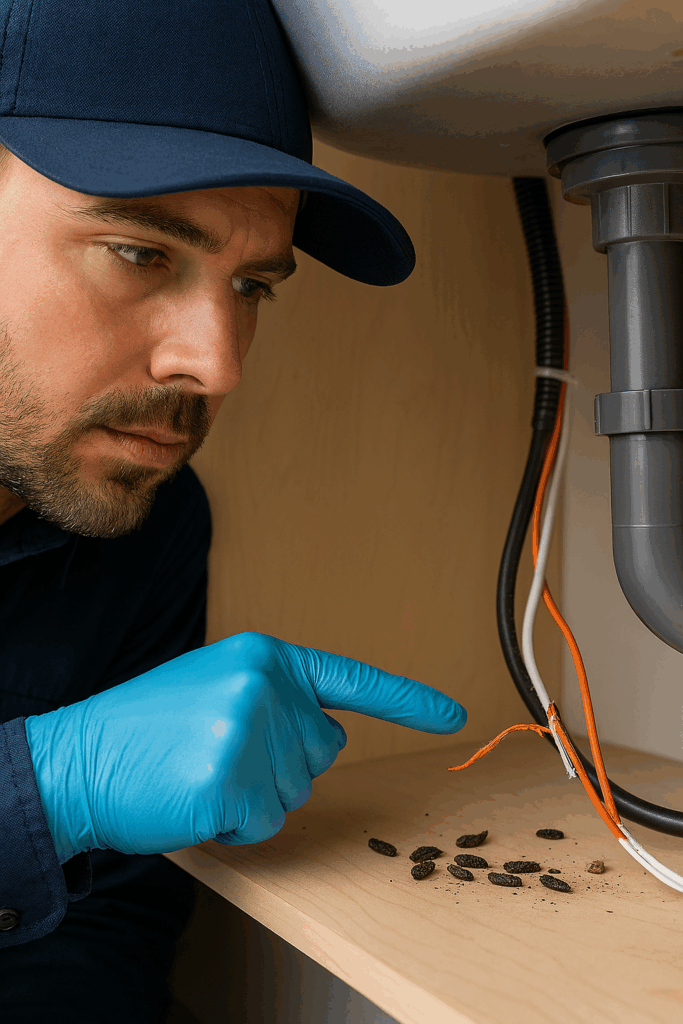
- Chew electrical wiring
- Damage insulation
- Destroy stored belongings
- Create entry points in structures
Carpet beetles can damage:
- Clothing
- Rugs
- Furniture
- Stored fabrics
The repair costs often exceed the cost of early pest treatment.
Health Risks Can Increase
Not all pest problems are simply annoying.
Some pests can affect health and safety.
Rodents
Rodents can contaminate food and surfaces with droppings and urine.
They may also introduce bacteria into kitchens, pantries, and storage areas.
Cockroaches
Cockroach activity can trigger allergies and asthma symptoms in sensitive individuals.
Their presence often increases sanitation concerns within the home.
Wasps
A wasp sting is painful for most people.
For individuals with allergies, it can become a serious medical emergency.
Bed Bugs
While bed bugs aren’t known to spread disease, they can disrupt sleep and create significant stress for homeowners.
Pest Problems Often Spread
Here’s the thing.
Pests rarely stay in one location.
Imagine you notice scratching sounds in one wall.
A few weeks later, the sounds move to another room.
Soon, mice are using multiple areas of the home.
The same can happen with:
- Ant colonies
- Cockroach infestations
- Bed bug activity
- Carpet beetle infestations
What starts in one area often spreads if left untreated.
Real-Life Scenario
Imagine you hear scratching sounds behind a basement wall.
You assume it’s just one mouse and decide to wait.
Over the next few months:
- More noises appear.
- Droppings start showing up.
- Food packages become damaged.
- A strong odor develops.
When a professional inspection is finally performed, multiple mice are discovered nesting inside the walls.
A problem that could have been resolved early has now become a larger infestation.
This happens more often than most homeowners realize.
Signs You Should Call Pest Control Immediately
Some warning signs shouldn’t be ignored.
Recurring Pest Sightings
If you keep seeing pests despite your efforts, there’s likely a larger issue.
Droppings or Nesting Materials
Droppings often indicate active pest activity.
Nesting materials suggest pests have already settled in.
Strange Sounds
Scratching, gnawing, or movement inside walls often points to rodents.
Structural Damage
Chewed wires, damaged insulation, and holes in walls should be addressed quickly.
Visible Nests
Wasp nests and other pest nesting sites should be treated before they expand.
Why Professional Pest Control Is Often More Effective
Many homeowners try DIY treatments first.
Sometimes they work.
Sometimes they only address the visible symptoms.
Professional pest control focuses on:
- Identifying the pest correctly
- Finding entry points
- Locating nests
- Addressing the source of the problem
- Preventing future infestations
This comprehensive approach often saves money in the long run.
Common Reasons Homeowners Delay Pest Control
Most people don’t ignore pest problems intentionally.
Common reasons include:
“It’s Just One Pest”
Unfortunately, one visible pest often means there are more hidden nearby.
“I’ll Handle It Myself”
DIY methods can help in some situations.
However, they don’t always solve the root cause.
“It’s Not a Big Problem Yet”
The truth is that pest populations don’t stay the same.
They grow.
“I Want to Save Money”
Early treatment is usually less expensive than addressing a large infestation later.
How Early Pest Control Saves Money
Preventive pest control offers several benefits.
Smaller Infestations
Problems are addressed before populations grow.
Less Property Damage
Early intervention protects structures and belongings.
Reduced Stress
Nobody enjoys dealing with ongoing pest problems.
Better Long-Term Protection
Preventive measures help reduce future infestations.
Many homeowners who invest in early treatment avoid larger expenses later.
Seasonal Pest Problems in Calgary
Calgary homeowners experience different pest issues throughout the year.
Spring
- Ants
- Wasps
- Spiders
Summer
- Wasps
- Flies
- Mosquitoes
Fall
- Mice
- Rodents
- Spiders
Winter
- Indoor rodent activity
- Overwintering insects
Understanding seasonal patterns helps homeowners respond quickly when pest activity appears.
When Is the Best Time to Call Pest Control?
The best time is usually as soon as you notice signs of activity.
Early warning signs include:
- Droppings
- Unusual odors
- Scratching sounds
- Visible pests
- Nesting materials
- Property damage
Waiting rarely improves the situation.
FAQ
Why shouldn’t I wait for pest control?
Pest populations often grow quickly. Delaying treatment can lead to larger infestations, increased property damage, and higher treatment costs.
Can one mouse become a bigger problem?
Yes. Mice reproduce rapidly and often live in groups. One sighting may indicate additional rodents are already present.
Is DIY pest control enough?
DIY methods can help with minor problems. Larger infestations usually require professional treatment to fully resolve the issue.
How do I know if I need pest control?
If you notice recurring pest activity, droppings, nests, or damage, it’s a good idea to schedule an inspection.
Does early pest control save money?
Yes. Addressing pest problems early is often less expensive than repairing damage and treating larger infestations later.
Conclusion
Understanding why you shouldn’t wait for pest control can help protect your home, your family, and your budget. Small pest problems rarely stay small. Rodents, insects, and other pests can multiply quickly, damage property, and create health concerns if left untreated.
The sooner you address pest activity, the easier it is to stop infestations before they become serious. If you’ve noticed warning signs around your property, don’t wait for the problem to grow.
Contact our pest control team today and let experienced professionals help keep your home safe, clean, and pest-free.