

1. Understanding Bed Bugs: The Basics
What Are Bed Bugs?
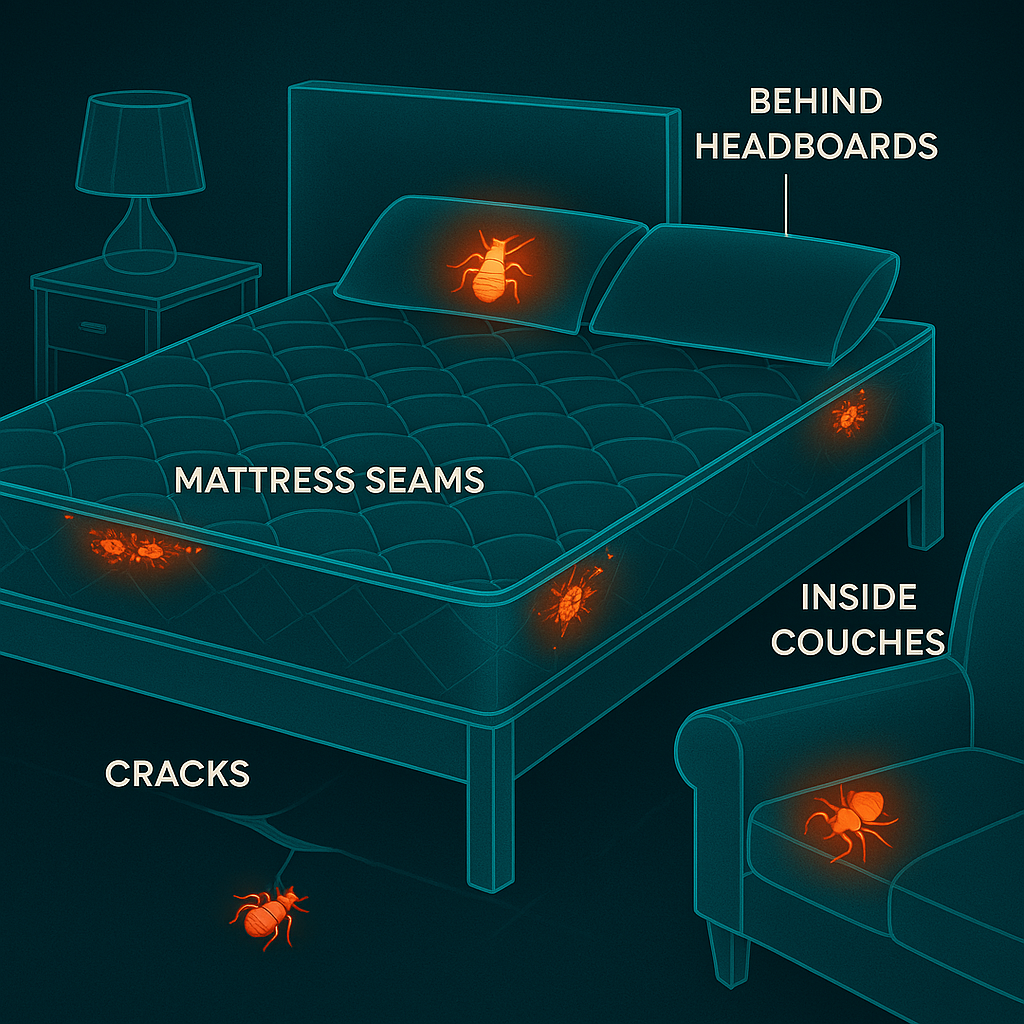
How to Control Bed bugs are tiny pests, about the size of an apple seed. They hide in beds, cracks, and furniture, feeding on human blood at night. These pests are reddish-brown, flat, and wingless.
They’re not just gross—they’re persistent. Once they move in, they’re tough to evict.
Fun Fact: Bed bugs can survive months without feeding. Yes, months!
Where Do Bed Bugs Come From?
They’re world travelers. Bed bugs spread through:
- Hotels and motels
- Used furniture
- Public transportation
- Even friends’ homes
They cling to bags, clothes, and shoes like uninvited guests at a party.
Common Signs of Bed Bug Infestation
Think you’ve got company? Look for these clues:
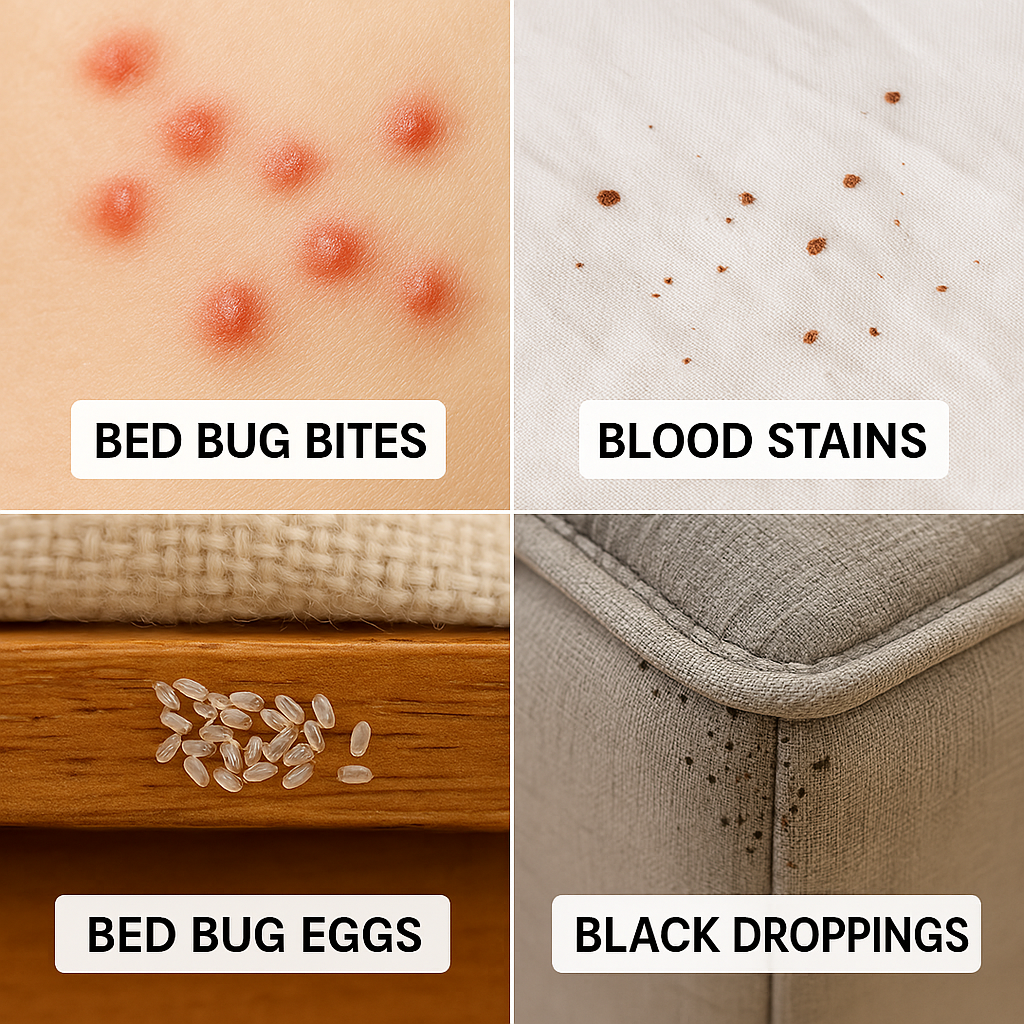
- Small blood stains on sheets or pillowcases
- Dark or rusty spots of bedbug droppings on mattresses and walls
- A musty smell caused by their scent glands
- Itchy red bites, often appearing in a straight line
If your bed looks like a crime scene—time to investigate.
Why Bed Bugs Are So Hard to Kill
- They hide everywhere: behind wallpaper, inside electrical outlets, even in screw holes.
- They breed fast. One female lays 200-500 eggs in her lifetime.
- They’re becoming resistant to common insecticides.
Think of them as the cockroach’s annoying cousin—resilient, tiny, and smart.
2. How Bed Bugs Spread
Travel and Luggage: The Sneaky Entry
Travel is the #1 way bed bugs spread. You bring back:
- Souvenirs
- Photos
- And… bed bugs
Always inspect hotel rooms. Pull up the mattress. Look in crevices. And never toss your suitcase on the bed.
Used Furniture and Clothing
That sweet thrift-store sofa? Could be crawling. Bed bugs love:
- Upholstered furniture
- Old mattresses
- Second-hand clothes
Inspect and treat before bringing anything pre-loved into your home.
Cracks, Crevices, and Wall Voids
They don’t just live in beds. Bed bugs hide in:
- Wall sockets
- Floorboards
- Curtain hems
- Door and window frames
Basically, if you can fit a credit card in it, a bed bug can crawl into it.
Misconceptions About Cleanliness and Bed Bugs
No, bed bugs don’t care if your home is clean. They’re not after your crumbs—they want your blood. They’ve infested luxury hotels and spotless apartments.
Don’t feel embarrassed. It’s not about hygiene—it’s about bad luck.
3. DIY Methods to Control Bed Bugs at Home
Washing and Heat-Treating Linens
Wash all bedding, clothes, and curtains:
- Use hot water (60°C / 140°F)
- Dry on the highest heat setting for 30 minutes
- Don’t forget stuffed toys and pet beds
Heat is the bed bug’s natural enemy.
Vacuuming and Steam Cleaning
Vacuum every surface like your life depends on it:
- Mattress seams
- Bed frames
- Baseboards
- Carpets
Use a steamer to reach cracks and crevices. It’s effective and chemical-free.
Diatomaceous Earth: Nature’s Bed Bug Killer
This powder slices through bed bug exoskeletons and dehydrates them.
- Sprinkle under furniture and along wall edges
- Leave for several days
- Vacuum up and repeat weekly
Pro tip: Use food-grade only!
Encasing Mattresses and Box Springs
Buy bed bug-proof covers. They trap bugs inside and prevent new ones from moving in.
Look for:
- Zippered encasements
- Tear-resistant fabric
- Certified bug-proof ratings
Seal the deal—literally.
4. Natural and Organic Bed Bug Solutions
Essential Oils: What Works and What Doesn’t
Some oils repel bed bugs:
- Tea Tree Oil
- Lavender Oil
- Peppermint Oil
Mix a few drops with water and spray. But remember—it’s repellent, not a killer.
Herbal Remedies and Their Effectiveness
Herbs like:
- Clove
- Thyme
- Lemongrass
can help, but they don’t kill. Use with other methods for best results.
Using Baking Soda and Vinegar
Popular online hacks—but limited science.
- Baking soda: Believed to dehydrate bugs (but needs constant reapplying)
- Vinegar: Disrupts their nervous system (only kills on contact)
Don’t expect miracles—but they’re cheap and worth a try.
Are Natural Methods Enough?
In mild cases—maybe. But if you see more than a couple bugs?
Go pro.
Natural methods are best as part of a combo plan. Like salad next to steak.
5. When to Call the Professionals
Signs You Need a Pest Control Service
Call an expert if Pest Control Service:
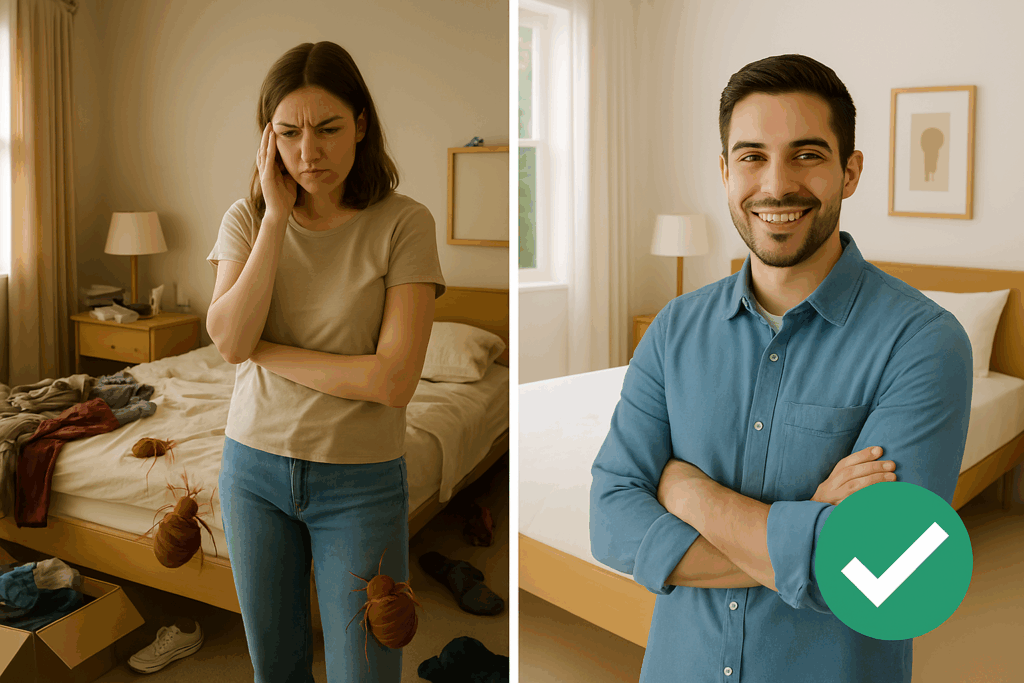
- You’ve tried everything
- You keep getting bites
- Bugs are in multiple rooms
- You feel like burning your mattress
Professional help can save your sanity.
What Pest Control Experts Do Differently
They use:
- Industrial-grade pesticides
- Heat chambers (up to 140°F)
- Monitoring tools
- Follow-up inspections
And they know where bugs hide better than you do.
Chemical Treatments and Heat Treatments
- Chemical: Sprays, dusts, and aerosols. Effective but may need repeat visits.
- Heat: Whole-room treatments raise temps to kill all life stages. It’s fast and efficient.
Both methods work. Your pro will recommend the right one.
Costs Involved and ROI of Professional Help
Professional bed bug removal costs between $300–$1,500, depending on home size and infestation.
It’s not cheap, but it’s worth it. Think of it as insurance for your sleep.
6. Prevention Tips to Keep Bed Bugs Away
Hotel Room Checks When Traveling
- Pull sheets and check mattress seams
- Use luggage racks, not beds or floors
- Keep clothes in sealed plastic bags
Act like Sherlock Holmes on vacation.
Home Maintenance and Bed Bug Proofing
- Seal cracks in baseboards and walls
- Install door sweeps
- Fix peeling wallpaper
- Declutter your space
Less clutter = fewer hiding spots.
Routine Cleaning and Clutter Reduction
Make cleaning a habit:
- Weekly vacuuming
- Launder bed linens often
- Don’t pile clothes on the floor
Clean home, clear mind—and fewer bugs.
Long-Term Bed Bug Monitoring
Use traps like:
- Interceptor cups under bed legs
- Bed bug monitors
- DIY sticky traps
Catch them early before they party.
7. Mental and Emotional Impact of Bed Bugs
The Psychological Toll of Infestation
Bed bugs mess with your mind. You lose sleep, feel itchy all the time, and start imagining bugs even when they’re gone.
That’s called delusional parasitosis—and it’s real.
How to Cope with Bed Bug Stress
- Talk to someone
- Join support forums
- Practice deep breathing
- Remember—it’s not your fault
You’re not alone. Bed bugs have visited millions of homes.
Talking to Family and Roommates
Be honest and proactive. Don’t wait until everyone’s itching.
Share:
- What you found
- What you’re doing about it
- How they can help
Restoring Peace of Mind After Treatment
Once they’re gone:
- Do a deep clean
- Replace old linens
- Reorganize your space
- Celebrate your bug-free zone
You’ve been through war—now enjoy your victory.
FAQs: How to Control Bed Bugs
1. Can I get rid of bed bugs myself?
Yes, in mild cases. Combine vacuuming, steam, and mattress encasements. But call a pro if it spreads.
2. Do bed bugs only live in beds?
Nope! They hide in couches, carpets, walls, and outlets too.
3. Are bed bugs dangerous?
Not medically. But they cause stress, allergies, and secondary infections from scratching.
4. How fast do bed bugs spread?
Very fast. One pregnant female = hundreds in a few weeks.
5. What’s the best treatment method?
Heat treatments are often the most effective. Chemical methods are good too but may require multiple visits.