
1. Introduction to Organic Pest Control
What is organic pest control?
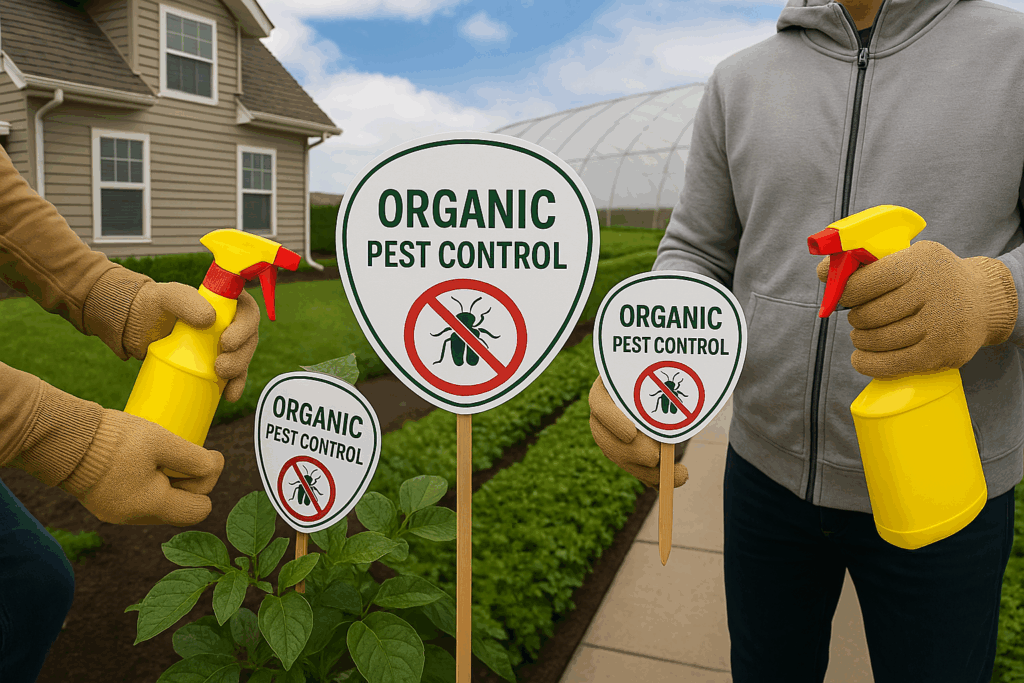
Organic pest control is a method that uses natural substances and techniques to eliminate or deter pests without relying on synthetic chemicals. Instead of toxic sprays or foggers, organic approaches use:
- Essential oils (like peppermint, clove, neem)
- Beneficial insects (like ladybugs)
- Natural repellents and traps
These options work with nature, not against it. They aim to balance the ecosystem rather than destroy it.
How it differs from traditional methods
Traditional pest control often uses harsh chemicals. These substances might work fast, but they come with baggage—health risks, pollution, and damage to biodiversity. Organic methods, in contrast, focus on long-term, sustainable solutions.
| Traditional | Organic |
|---|---|
| Uses synthetic chemicals | Uses natural substances |
| May harm pets and kids | Safe for all family members |
| Fast but temporary | Slower but long-lasting |
| Environmental risks | Eco-friendly |
Brief history and rise in demand
Ten years ago, organic pest control was a niche. Now? It’s booming. As Canadians became more health-conscious, they started asking: “What’s in this spray I’m using?” The answers weren’t pretty. Over the past few years, public concern pushed homeowners to seek safer, greener options.
In 2020, less than 20% of pest control companies in Canada offered organic options. In 2025, that number is approaching 70%.
The growing eco-conscious trend in Canada
Canadians are going green in every part of life—clean energy, electric cars, and now pest control. Urban farming, balcony gardens, and even composting are up. People want solutions that align with this lifestyle.
Why? Because caring for the planet has gone from being a “nice idea” to an urgent necessity. And organic pest control is a small but powerful way to take action.
2. Health and Environmental Benefits
Reduced chemical exposure for families
One of the biggest reasons Canadians are shifting to organic pest control is simple: health.
Chemical pesticides are not just harmful to pests. They can also affect:
- Children
- Pregnant women
- People with allergies or asthma
Even small amounts of pesticide residue can cause problems. For example:
- Skin irritation
- Headaches or dizziness
- Hormonal imbalances
- Respiratory issues in kids
Organic pest control eliminates those risks. It uses natural products that are safe to touch, breathe in, and use around food areas. So you can treat your kitchen without worrying about the salad on the counter!
Protection of soil and water sources
Pesticides don’t stay where you spray them.
They can:
- Leak into the soil
- Run off into nearby lakes or rivers
- Contaminate groundwater
This is a huge issue in Canada, where clean water and fertile land are vital for communities and agriculture.
Organic methods help preserve soil life. They don’t kill beneficial bacteria, fungi, or worms that plants depend on. And because natural solutions break down quickly, they don’t hang around long enough to harm water ecosystems.
Safe for pets and wildlife
Have a dog? A cat? Maybe some backyard birds?
Traditional pest control could put them all at risk.
But organic pest control is:
- Non-toxic to pets
- Harmless to pollinators like bees and butterflies
- Safe for garden frogs, squirrels, and other local wildlife
Example: Instead of laying poison bait for ants, organic control might use diatomaceous earth—a natural powder that dehydrates pests but won’t harm a curious puppy.
This shift matters. Canadians love nature. We spend weekends hiking, camping, and bird-watching. So it makes sense to choose pest control that protects the wildlife around us.
Lower risk of long-term environmental damage
Synthetic chemicals may solve a short-term problem, but they often create long-term ones.
Consider:
- Pesticide-resistant pests (a growing problem!)
- Disrupted food chains
- Reduced soil fertility
- Polluted air indoors
Organic pest control takes a different approach. It works with the ecosystem to solve the problem at its root.
Reduces chemical buildup in the environment
Supports biodiversity and natural pest predators
Encourages a healthy balance between humans and nature
Fights climate change by reducing toxic emissions
It’s not just “less bad”—it’s actually good for the environment.
3. Growing Awareness Among Canadians
Influence of media and documentaries
The rise in organic pest control didn’t happen by accident. It’s been fueled by information.
Canadians are watching more environmental documentaries, like:
- “The Nature of Things” on CBC
- Netflix’s “Kiss the Ground”
- YouTube influencers covering sustainable living
These shows raise powerful questions:
- What’s in our air?
- What are we putting in our homes?
- How does it affect our future?
The answers? They’re pushing people toward natural solutions.
Role of schools and community programs
Environmental education is becoming mainstream. In many Canadian schools, kids learn about:
- Climate change
- Pollution
- Organic gardening
- Insect ecosystems
That means children are coming home and saying things like:
“Mom, don’t use poison—it kills bees!”
That influence can’t be overstated. Young voices are changing family habits.
Many cities also offer workshops and support groups that promote:
- Composting
- Eco-friendly pest solutions
- Home gardening tips
Communities are learning—and acting—together.
Social media influence on eco-friendly choices
Let’s be real—social media runs the show in 2025.
And guess what’s trending?
- #GreenLiving
- #ToxinFreeHome
- #OrganicPestControl
From TikTok DIYs to Instagram infographics, people are sharing:
- Easy home remedies
- Safe product alternatives
- Reviews of eco-friendly pest control companies
This visibility makes it cool to go green. When influencers talk about their all-natural lifestyle, fans follow.
In short: what used to be “hippie stuff” is now mainstream.
Impact of environmental organizations and campaigns
Canada is home to strong environmental voices like:
- The David Suzuki Foundation
- Greenpeace Canada
- Sierra Club Canada
These groups promote awareness about pesticide risks and advocate for natural solutions.
They’ve helped:
- Push for tighter regulations
- Fund local eco-projects
- Distribute free organic pest kits
They’re not just making noise—they’re creating real change. Canadians are listening, and more importantly, they’re acting.
4. Government Policies and Regulations
Canada’s pesticide bans and restrictions
One of the biggest reasons more Canadians are turning to organic pest control in 2025 is simple: the government is cracking down on chemical pesticides.
In many provinces, including Ontario and British Columbia, strict rules now limit the use of cosmetic pesticides. These are the ones used on lawns, gardens, and public areas—not just farms.
Some banned or restricted chemicals include:
- 2,4-D (used in lawn weed killers)
- Glyphosate (the active ingredient in Roundup)
- Carbaryl (a common insecticide)
By reducing access to these products, the government is encouraging both homeowners and pest control companies to look for safer options.
Support for green businesses
Governments at all levels—federal, provincial, and municipal—are investing in eco-friendly business practices.
Some of the support includes:
- Grants for green startups
- Tax breaks for companies that reduce chemical use
- Free training programs for sustainable pest control methods
These incentives are helping new organic pest control companies grow, while also encouraging traditional companies to switch to greener products.
Incentives for eco-friendly home practices
Homeowners are also seeing benefits. In 2025, Canadians who choose eco-friendly home upgrades—like organic pest control—can:
- Qualify for property tax rebates
- Get discounts from certain municipalities
- Receive home improvement vouchers in green incentive programs
For example, some cities offer discounts on professional pest control services if the company uses organic methods.
This kind of support makes going green not just good for the planet—but also good for your wallet.
Certification programs and quality assurance
To help customers know which pest control services are truly organic and safe, certification programs are now more common in Canada.
Some popular eco-certifications in 2025 include:
- EcoLogo (Canada’s environmental label)
- GreenPro Certified (for pest control businesses)
- Organic Materials Review Institute (OMRI) approved products
These labels give homeowners peace of mind. If a company claims to be “natural,” you can check for these certifications to be sure they meet proper standards.
5. Innovations in Organic Pest Control
Plant-based and essential oil solutions
One of the most exciting parts of the organic pest control movement? New products!
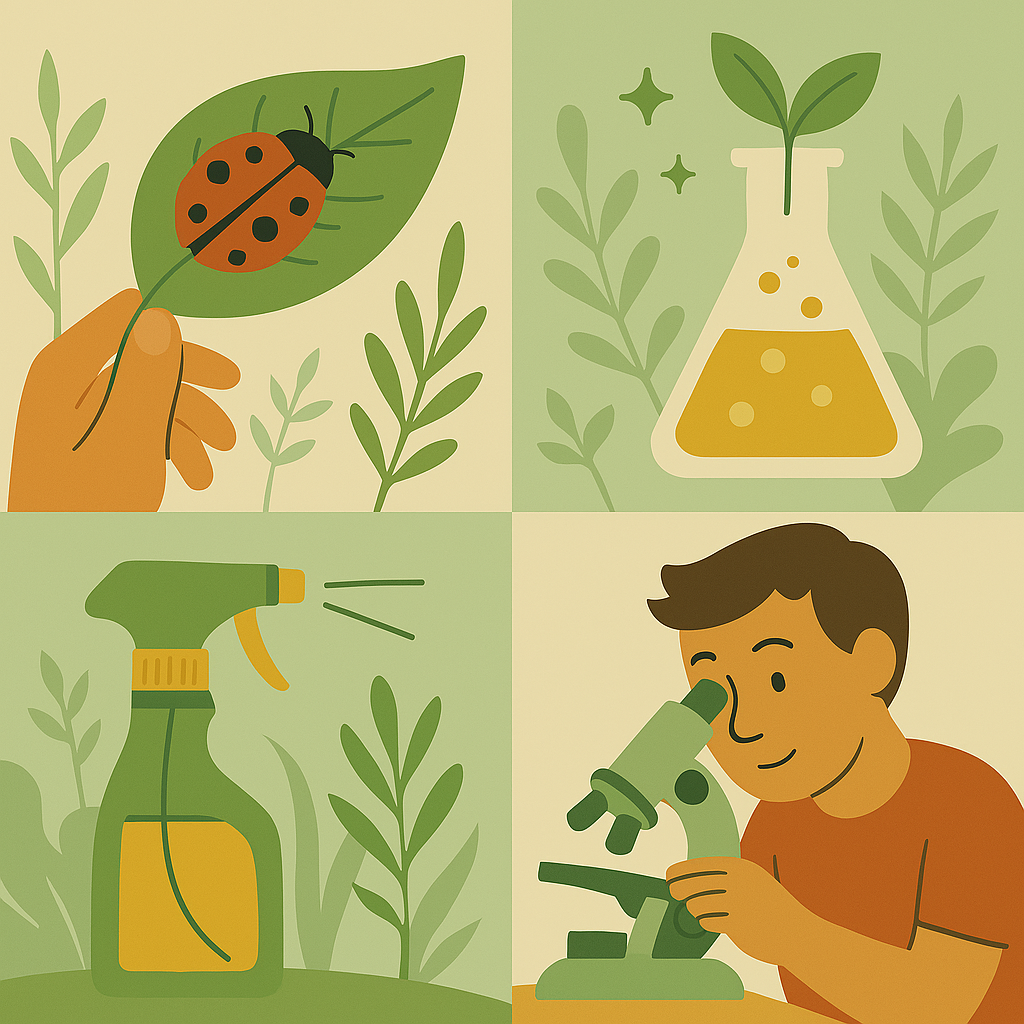
In 2025, there are more natural options than ever. Many of them are made with essential oils like:
- Peppermint
- Citronella
- Eucalyptus
- Neem oil
These oils confuse insects’ senses, repel them, or stop their reproduction. The best part? They smell amazing and are safe for your family.
There are also plant-based sprays and powders made from:
- Garlic
- Chili
- Clove
- Diatomaceous earth
You can find these in most eco-friendly stores or even make them at home.
Biological pest control methods
Another cool trend? Biological pest control.
This means using living organisms—like helpful insects or microbes—to fight harmful pests. Think of it like hiring nature’s tiny army.
Some popular examples include:
- Ladybugs to eat aphids
- Nematodes to kill grubs in the soil
- Bacteria like Bacillus thuringiensis (Bt) to stop caterpillars
These methods are smart, natural, and leave no toxic leftovers. Plus, they often solve the problem without disturbing other parts of the ecosystem.
Use of technology and data
Even organic pest control is getting high-tech in 2025.
Now, many companies use:
- Smart sensors to detect pest movement
- Drones to monitor large areas like farms
- AI software to track pest patterns
- Apps to help you identify pests at home
Technology helps reduce the need for chemicals by offering more precise treatments. That means fewer mistakes—and fewer sprays.
DIY organic solutions becoming mainstream
Homeowners are more empowered than ever. Thanks to social media and online guides, DIY organic pest control is trending.
Common homemade options include:
- Vinegar traps for fruit flies
- Baking soda and sugar for ants
- Soap and water sprays for aphids
It’s cost-effective, safe, and easy to try. Families love this hands-on approach because it teaches kids about nature, responsibility, and sustainability.
6. Economic and Practical Advantages
Long-term savings on healthcare and repairs
At first glance, organic pest control may seem more expensive than traditional treatments. But when you look closer, it often saves money in the long run.
Here’s how:
- Fewer doctor visits from chemical exposure
- No need to replace furniture or carpets damaged by pests
- Reduced cleaning costs (no chemical residue to scrub off)
- Lower risk of allergies or asthma triggers
Also, prevention is cheaper than cure. Organic methods often include long-term prevention plans, which reduce repeat infestations.
Real-life example: A family in Ottawa switched to organic treatments for ants and saved $300 in one year—just by avoiding follow-up treatments and health-related expenses.
Organic options becoming more affordable
In 2025, organic pest control is no longer a luxury. Thanks to competition, innovation, and rising demand, prices have dropped significantly.
Here’s what’s making it more budget-friendly:
- Local production of natural solutions
- Widespread availability in stores and online
- More pest control companies offering eco packages
- DIY kits available for common pests
So if you thought organic pest control was out of reach, think again. Today, it’s easier—and cheaper—than ever to go green.
Improved home resale value
Homebuyers in Canada are now more eco-aware. They want homes that are:
- Safe
- Non-toxic
- Energy- and resource-efficient
If your home has a history of organic pest control (especially if it’s documented), it can be a strong selling point.
Buyers feel reassured knowing:
- No dangerous chemicals have been used inside the home
- The garden soil isn’t contaminated
- The air quality indoors is safe
In competitive real estate markets like Toronto and Vancouver, these small details can tip the scale.
Growing job market in eco-pest control services
The green industry in Canada is booming—and pest control is no exception.
In 2025, jobs in eco-friendly pest control have increased due to:
- More people demanding safer solutions
- Stricter government regulations
- New technology and tools for organic methods
If you’re looking for a career in sustainability, this could be a great field. It combines science, customer service, and a real chance to protect the environment.
Some positions now in high demand include:
- Organic pest control technicians
- Green home consultants
- Garden biodiversity specialists
- Sustainable pest prevention planners
These aren’t just jobs—they’re future-proof careers that make a difference.
7. Case Studies and Real-Life Success Stories
Toronto: Urban gardening and organic pest control
In Toronto, rooftop gardens and community plots have taken over the city.
With all those plants come pests. But instead of using chemicals, residents are working together to protect their gardens the organic way.
They use:
- Marigolds to repel insects
- Neem oil spray for aphids
- Companion planting to confuse pests
Local schools even run workshops on DIY organic sprays. It’s community-driven, cost-effective, and environmentally safe.
Vancouver: Organic pest control in condos
In downtown Vancouver, more condos and apartments are choosing eco-pest control over traditional fumigation.
One building manager reported:
“We used to spray quarterly, but the fumes bothered people. Now we use plant-based treatments—and residents are much happier.”
These buildings now work with local eco-providers who use essential oils and traps instead of sprays. The air smells better, and fewer tenants complain.
Plus, many landlords are realizing they can advertise “chemical-free living” to attract eco-conscious renters.
Alberta farms: Going pesticide-free
In Alberta, some farmers are ditching synthetic pesticides entirely.
One organic farmer shared how he controls pests with:
- Crop rotation
- Natural predators like wasps and beetles
- Garlic and vinegar sprays
Not only has his crop quality improved, but his farm now qualifies for organic certification, which means higher profits at local markets.
He also said customers are more loyal because they trust his farming practices. It’s a win-win.
Small businesses switching to green methods
Even pest control businesses themselves are making the switch.
In Calgary, a small company called “EcoGuard Pest Solutions” switched from chemicals to 100% organic treatments in 2023. By 2025, their revenue had doubled.
Why?
- Customers felt safer
- No need to leave homes during treatments
- No risk of damage to pets or gardens
They now offer monthly organic maintenance plans and have earned over 100 five-star reviews online.
This shows that green solutions aren’t just ethical—they’re profitable too.
8. Choosing the Right Organic Pest Control Provider
What to look for in a provider
Not all pest control companies are the same. And in 2025, with more options than ever, it’s important to know what makes a good organic provider.
Here’s what to check:
- Transparency – Do they clearly list their products and ingredients?
- Certifications – Are they certified by eco-friendly organizations?
- Experience – Have they been working with organic methods for years?
- Customer reviews – Do other clients speak highly of their safety and service?
Ask direct questions before you hire someone. A good company will be happy to explain their process—and they won’t hide behind vague claims like “eco-safe.”
Questions to ask before hiring
Here are smart questions to ask before booking:
- “Do you use OMRI-listed or EcoLogo-approved products?”
- “Are your treatments safe for pets and kids?”
- “How do you prevent pests from returning?”
- “Do you offer a follow-up service?”
- “Can you give me references or reviews?”
Asking these helps you separate true professionals from those just using “green” as a buzzword.
Red flags to avoid
Watch out for warning signs like:
- They won’t tell you what’s in their spray
- They use the term “natural” but have no certification
- They claim to kill all pests instantly (most organic methods take a few days)
- They recommend treatments that harm beneficial insects
Organic pest control is about balance, not wiping everything out. A responsible company will always focus on safety, prevention, and long-term solutions.
The role of online reviews and referrals
In 2025, Canadians trust online reviews more than ever. Platforms like:
- Google Business
- Yelp
- Homestars
…give you real customer feedback on service quality.
Tips:
- Look for 4+ star ratings
- Read the most recent reviews
- Pay attention to how they respond to complaints
- Ask your neighbours or local Facebook groups for referrals
Word-of-mouth is still powerful—especially when you’re dealing with your family’s health and safety.
Conclusion
In 2025, the organic pest control movement in Canada is no longer just a trend—it’s a shift in how we care for our homes, our health, and our planet.
From government regulations and technological innovation to personal health and financial savings, Canadians are choosing organic pest control because it just makes sense.
Whether you’re a city-dweller in a condo, a farmer in Alberta, or a parent looking out for your kids and pets—there’s an organic solution for you.
By choosing green, you’re:
- Protecting your family
- Supporting the planet
- Encouraging ethical businesses
- Creating a cleaner future for the next generation
So, the next time you see a trail of ants in your kitchen or a wasp nest outside your patio—don’t reach for the harsh chemicals.
Reach for nature. It works better than you think.
FAQs
1. Is organic pest control really effective?
Yes! It may take a little longer than chemical treatments, but organic pest control works by targeting pests without harming people, pets, or the environment.
2. Are organic pest control products safe for children and pets?
Absolutely. Most organic products are made from natural oils, minerals, and plants. They’re non-toxic, which makes them safer for homes with kids and animals.
3. How often should I use organic pest control methods?
It depends on the pest. Many companies offer monthly or quarterly plans that focus on prevention, not just elimination.
4. Can I do organic pest control myself?
Yes! Many Canadians use DIY sprays, traps, and plant-based solutions. But for serious infestations, it’s better to hire a certified professional.
5. What are the most common ingredients in organic pest control?
Popular ingredients include neem oil, peppermint, garlic, citronella, and diatomaceous earth. These work as repellents, barriers, or pest disruptors.